Wetlands Restoration Projects: Nature’s Quiet Climate Heros
see why restoring wetlands is one of the strongest tools we have in combatting climate change and biodiversity loss
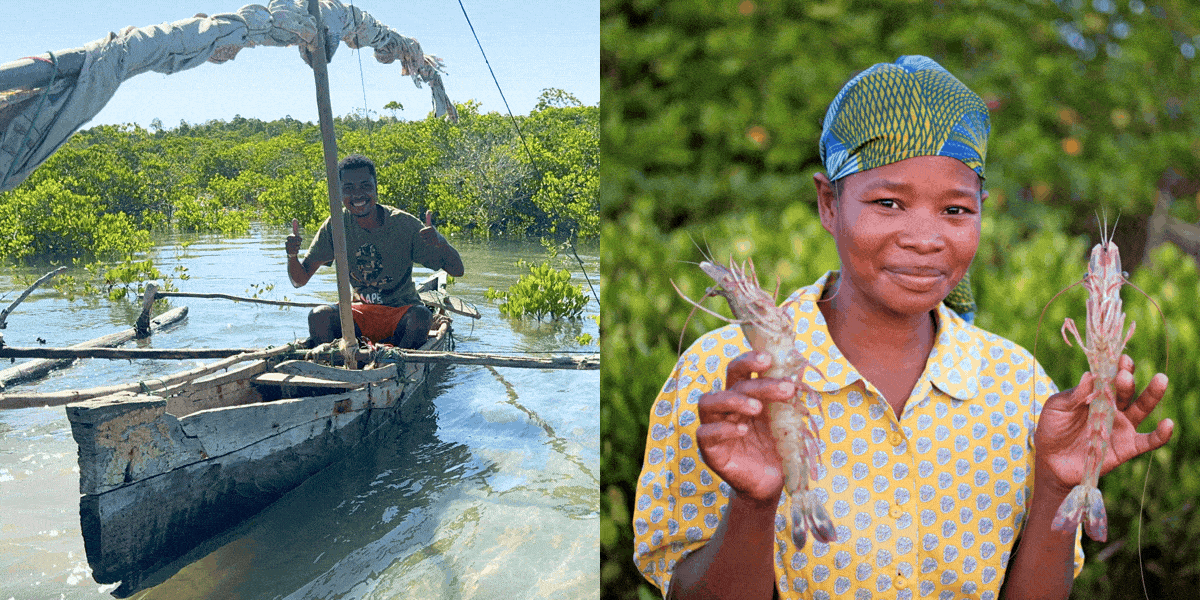
Restoring wetlands is one of the most effective ways to protect biodiversity, strengthen climate resilience, and support livelihoods worldwide. When wetlands restoration projects are led by local communities and guided by traditional ecological knowledge, they can revive degraded ecosystems while delivering lasting benefits for both people and nature.
At Purpose on the Planet, we support community-led wetlands restoration projects that restore mangrove forests in coastal Madagascar and protect critical wetland ecosystems on the shores of Lake Tanganyika in Western Tanzania. In both of these precious biodiversity hotspots, our restoration and conservation efforts serve to reconnect land and water, protect wildlife, and also create meaningful, paid work for local residents.
Each year on February 2, World Wetlands Day shines a light on the vital role wetlands play in sustaining life on Earth. The 2026 theme highlights how wetlands are deeply connected to cultural wisdom and community traditions—an approach that sits at the heart of our work.
So, What Are Wetlands?
Wetlands are landscapes that are saturated or flooded with water, either year-round or seasonally. Although they cover only about 6% of the Earth’s surface, wetlands play an outsized role in supporting life and regulating the climate. Many of the world’s most impactful wetlands restoration projects focus on three main wetland types:
-
Freshwater wetlands, including marshes, swamps, floodplains, lakes, and peatlands
-
Saltwater wetlands, such as estuaries, mangroves, mudflats, and coastal marshes
-
Human-made wetlands, including rice paddies, reservoirs, and fish ponds
Across all types, restoring wetlands helps revive natural systems that purify water, buffer floods, and sustain biodiversity.

we support saltwater and freshwater wetlands restoration projects in madagascar and Tanzania

Why Restoring Wetlands Really Matters
Wetlands are among the most productive—and most threatened—ecosystems on Earth. Their rapid decline makes wetlands restoration projects a global conservation priority.
Here are four critical facts that underscore why restoring wetlands is so important:
-
Wetlands are disappearing three times faster than forests
-
They support nearly 40% of the world’s plant and animal species, making them biodiversity hotspots
-
More than one billion people worldwide depend on wetlands for food, income, and protection
- Wetlands safeguard the 60% of humanity living along coastlines against storm surges, hurricanes and tsunamis.
Despite their importance, wetlands often go unnoticed—until they are gone.
Wetlands Restoration Projects Help Mitigate Climate Change
Restoring wetlands is a powerful nature-based solution for addressing climate change. Mangrove wetlands, in particular, are among the most effective “blue carbon” ecosystems on the planet.
Well-designed wetlands restoration projects can:
-
Sequester and store carbon up to 50 times faster than tropical rainforests
-
Lock carbon into dense vegetation and waterlogged soils for centuries
-
Prevent the release of stored CO₂ caused by wetland degradation
By restoring degraded mangrove wetlands, communities help remove carbon dioxide from the atmosphere while protecting some of the planet’s most efficient natural carbon sinks.


Restoring Wetlands Supports Biodiversity on Land and Underwater
Healthy wetlands form critical ecological bridges between land and sea. Wetlands restoration projects help rebuild these connections, allowing ecosystems to function as integrated systems rather than isolated fragments.
In coastal Madagascar, for example, restoring wetlands has revitalized a rich mosaic of mangrove estuaries, raffia swamps, and dry forests. These restored habitats support endangered species such as the Coquerel’s sifaka (a native lemur) and sawfish, while also serving as essential nursery grounds for fish, crustaceans, and other marine life. The result is stronger biodiversity both on land and beneath the water’s surface.
Similarly, restoring the wetlands and coastal ecosystems around Lake Tanganyika through The Tuungane Project in the Kigoma and Katavi Regions of western Tanzania is vital because these habitats are the foundation of both ecological health and human well-being in one of the world’s most biologically important freshwater landscapes.
Lake Tanganyika is one of the deepest, oldest, and most species-rich freshwater ecosystems on Earth, supporting hundreds of fish species—many found nowhere else—and providing essential protein and income for millions of people in surrounding communities. The wetlands and near-shore areas act as critical nursery and breeding grounds for fish and other aquatic life. When these wetlands are degraded through unsustainable fishing, sedimentation from deforested land, and pollution, fish populations decline, threatening both biodiversity and the food security of communities dependent on fisheries.
Wetlands Restoration Projects Strengthen Livelihoods and Food Security
More than 25% of Tanzania’s total population and 75% of Madagascar’s coastal population depend directly on wetlands and coastal resources for food and income. When wetlands degrade, fisheries decline, food insecurity rises, and pressure on remaining ecosystems intensifies.
Community-led wetlands restoration projects help reverse this cycle by:
-
Improving fish habitat and rebuilding fish stocks
-
Supporting sustainable fishing practices
-
Creating paid restoration jobs for local residents
Restored wetlands also open new livelihood opportunities through ecotourism and the sustainable harvest of materials such as raffia—linking conservation directly to long-term economic resilience.


Restoring Wetlands Enhances Coastal Protection and Climate Resilience
Coastal wetlands—especially mangrove forests—serve as natural defenses against rising seas, intensifying storms, and coastal erosion. Their dense root systems reduce wave energy, stabilize shorelines, and trap sediments.
As climate hazards become stronger and more frequent, restoring wetlands offers a cost-effective and durable alternative to artificial seawalls and other hard infrastructure. Wetlands restoration projects protect both ecosystems and the communities that depend on them.
Beyond fisheries, intact wetlands perform essential ecological functions: they filter and improve water quality, trap sediments, regulate water flow, and help buffer the impacts of climate change.
For example, as land around Lake Tanganyika is cleared for agriculture or settlement without adequate protection, soil erosion increases, carrying sediment into the lake and suffocating critical fish breeding areas. These processes harm water quality and reduce the productivity of an ecosystem that sustains livelihoods, nutrition, and health across the region.
Help Strengthen Ecosystems & Livelihoods by Supporting Wetlands Restoration Projects
With your support, villagers in Madagascar and Tanzania are restoring wetlands using traditional knowledge and time-tested practices—reviving ecosystems that are essential to both people and the planet.
Every contribution to Purpose on the Planet helps fund community-led wetlands restoration projects that:
-
Restore these precious ecosytems
-
Protect biodiversity
-
Create meaningful, paid work
-
Strengthen climate resilience
Together, we can ensure that wetlands continue to sustain life for generations to come.

FAQ: Restoring Wetlands & Wetlands Restoration Projects
What does “restoring wetlands” mean?
Restoring wetlands involves repairing degraded wetland ecosystems so they can function naturally again. This may include replanting vegetation, restoring natural water flows, and protecting wetlands from further damage.
What are wetlands restoration projects?
Wetlands restoration projects are organized efforts—often led by local communities, nonprofits, or governments—to restore degraded wetlands. These projects aim to improve biodiversity, climate resilience, and human livelihoods.
Why are wetlands restoration projects important for climate change?
Wetlands store large amounts of carbon and help regulate climate impacts. Restoring wetlands prevents carbon release, increases carbon sequestration, and protects communities from flooding and storms. Wetlands restoration projects also help revive natural systems that clean water, and sustain biodiversity, which are essential for climate resilience and the health of ecosystems worldwide.
How do Purpose on the Planet's wetlands restoration projects support local communities?
Our community-led wetlands restoration projects create paid work, strengthen food security, improve fisheries, and support sustainable livelihoods while protecting vital ecosystems.
Why is wetlands restoration particularly urgent now?
Wetlands are disappearing three times faster than forests, support nearly 40% of the world’s plant and animal species, and over one billion people depend on them for livelihood and safety, making their restoration a global conservation priority.
ReWrite Our Story:
3 Ways You Can Support Our Wetlands Restoration Projects
Create Work & Income by Restoring Nature
Give monthly & we’ll plant 60 extra trees
Impacts start at $10
Support 12 of the UN’s 2030 Global Goals
We share monthly insights on your impact
Impacts Start at $20
Be Climate Positive by Removing CO2
Economically offset your CO2 footprint
Only $20/month