
At the community-based mangrove reforestation project that we support in Madagascar, forest conservation and tree planting donations from the public have driven an innovative “Recruit & Restore” program for improving the livelihoods of villagers living in extreme poverty through landscape restoration since 2012.
Today, when you donate to restoring mangroves around the village of Antsanitia in Northwestern Madagascar, you’re not only ensuring the continued rebirth of a vital ecosystem but also supporting a holistic program for transforming a spiral of poverty-based decline into a virtuous cycle of positive development instead.

As a member of the Accelerated Restoration Collaborative, our work of restoring mangroves through environmental and tree planting donations in Madagascar is informed by decades of mangrove reforestation experience. These years of direct engagement inform the many layers of infrastructure now in place at the site to ensure long-term success of the project, notably fire watch towers, security perimeters and forest guards. As a result, donor contributions are applied both toward supporting these structural elements that are so critical to the durability of the forest, as well as fresh planting of mangrove propagules.
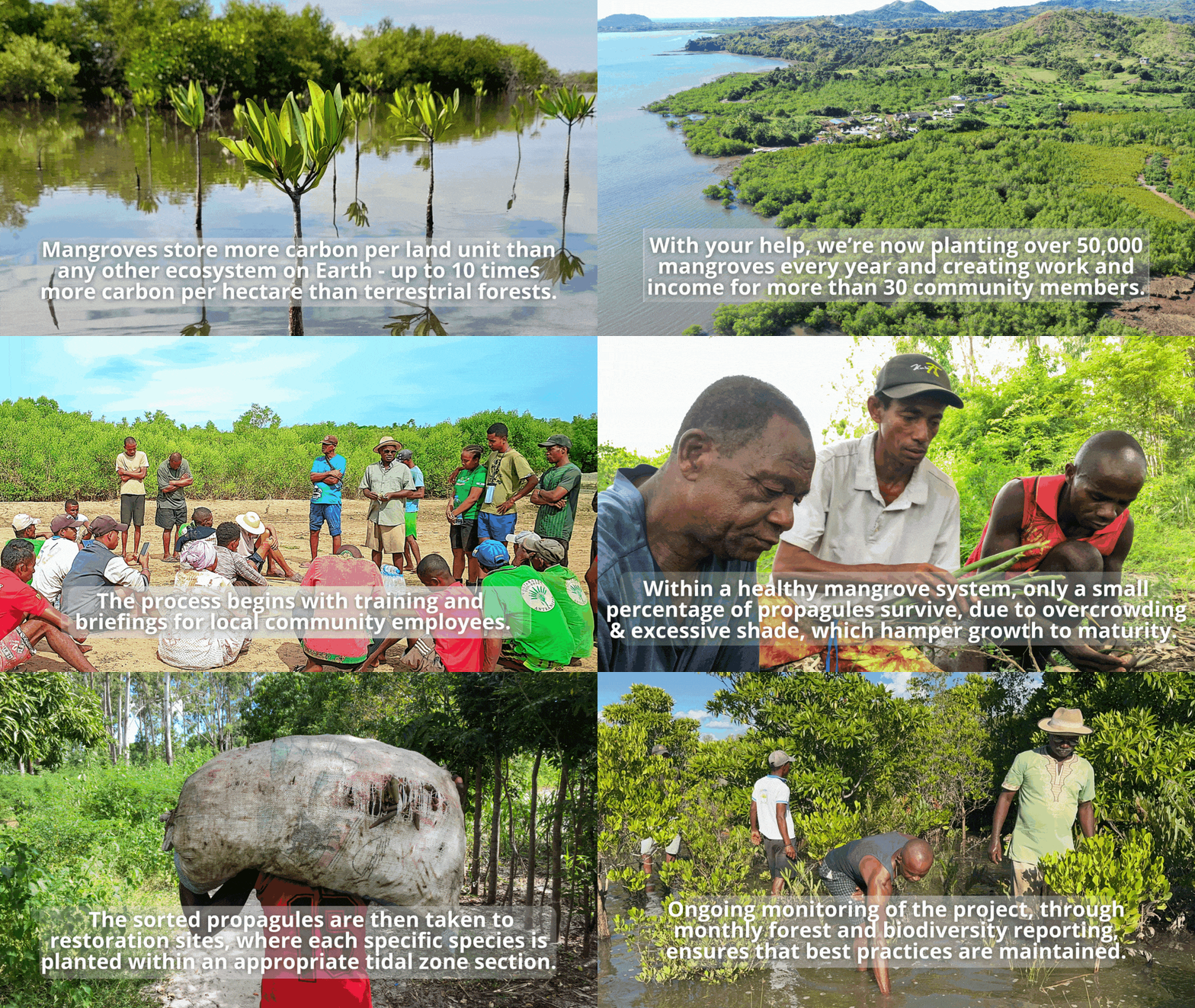
As for the actual process of restoring mangroves, every effort is made to ensure that the traditional solutions of the local indigenous peoples are implemented in the rebirth of the forests. To restore the deforested mangrove regions with the greatest efficiency, the teams gather propagules from the nearby forests and then plant them in the specific tidal-zone locales that best match their unique types. The summary below provides a detailed view of the end-to-end process that is made possible by ongoing forest conservation and tree planting donations.
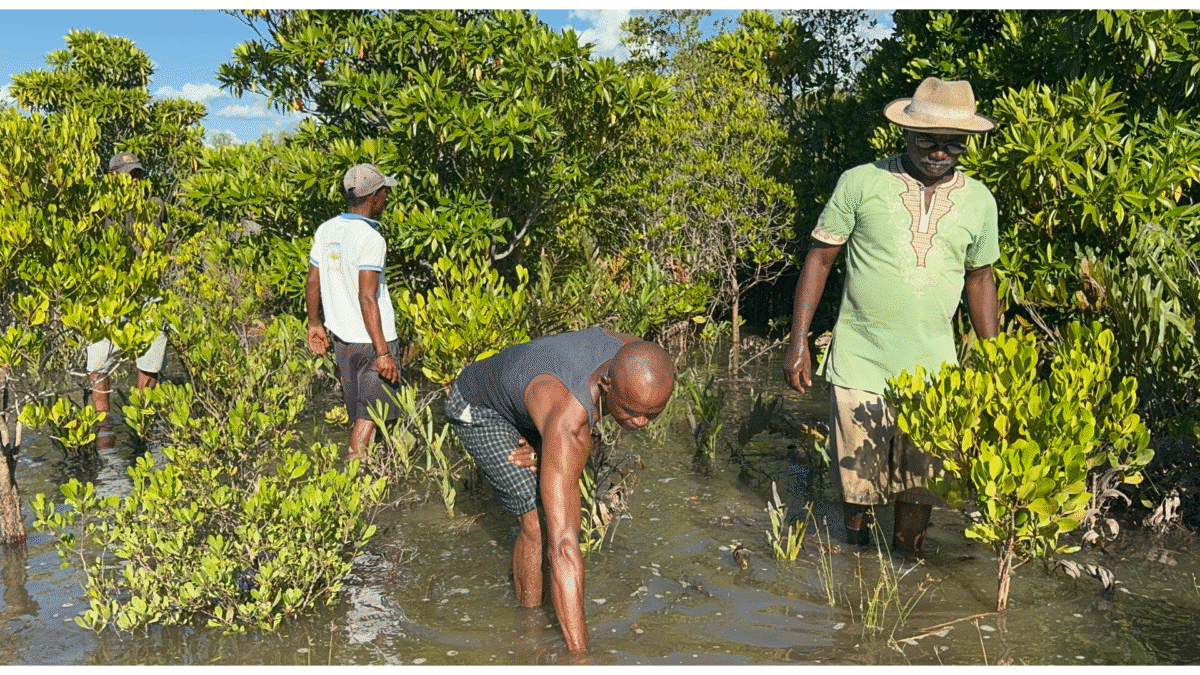
The 5 Phases of Our Mangrove Reforestation Process:
1. Mangrove Reforestation: Training & Instruction
The mangrove reforestation process begins with training our local community employees and providing them with ongoing briefings. Our Recruit & Restore program represents the most essential form of sustainable development through the benefits it confers to the under-served community in Antsanitia, Madagascar. Better still, our project site itself is protected and managed by the very people who live in the community, and central to the proven process is the traditional methodology for restoring mangrove forests and optimal use of currently existing natural resources, as you will see below.

2. Restoring Mangroves: Propagules
Propagules are elongated seedlings of several mangrove species that typically grow in estuary habitats. In nature, these vegetative structures begin the germination process while attached to the parent tree, which supplies them with nutrients and water until they become mature enough to drop off the branch.
However, even within a healthy mangrove system, the reality in nature is that only a small percentage of the propagules may normally survive, due to overcrowding and excessive shade.

3. Mangrove Reforestation: Sorting by Species
The dominant mangrove species in this area are Avicennia Marina (Grey or White Mangrove), Rhizophora Mucronata (Red Mangrove), Ceriops (Yellow Mangrove) & Bruguiera Gymnorrhiza (Orange Mangrove).
Our teams are initially tasked with gathering mature propagules from nearby forests, and then counting and preparing the tips of the baby trees for planting. The propagules are carefully then sorted by species, as each mangrove species needs to be planted in the appropriate tidal zone section, as explained below.

4. Restoring Mangroves: Tidal Zone Selection
Mangroves are one of the few plants that can grow with their roots in soils that are saturated with salt water. Each species has a different level of salt tolerance, which in part determines where it should reside within the various tidal zones.
The sorted propagules for each species are therefore transported by foot or boat (or both!), so that it can be planted within the tidal zone that would support optimal growth and the promotion of the most healthy and diverse forests.

5. Mangrove Reforestation: Planting and Verification
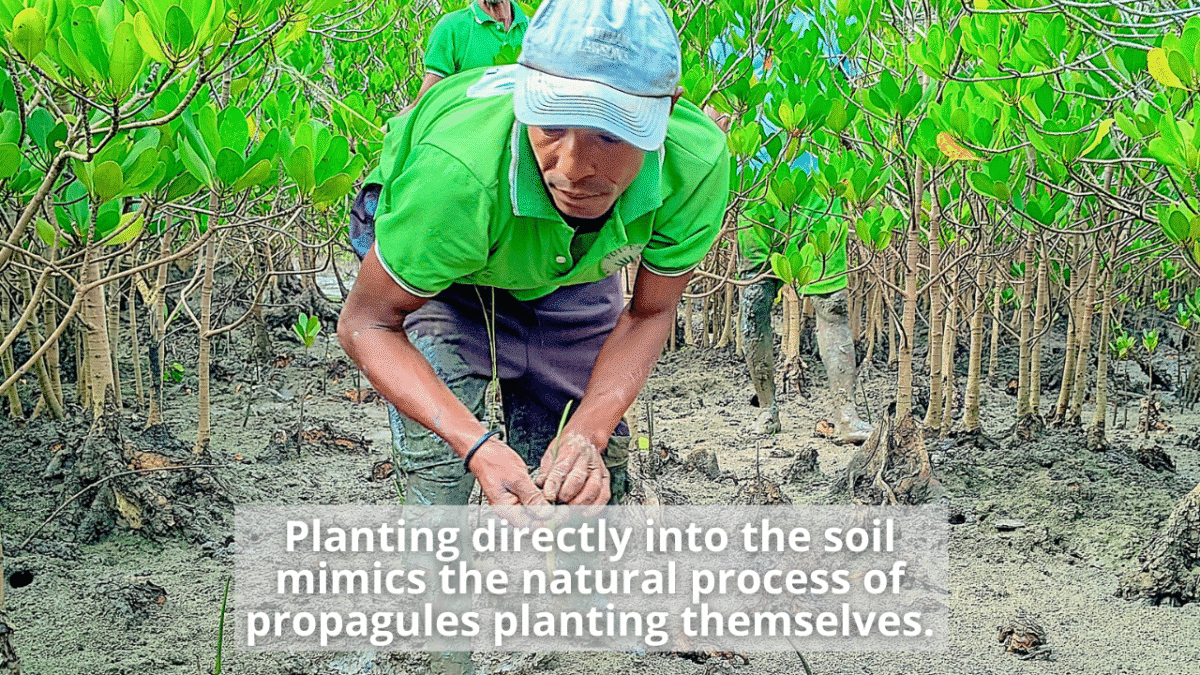
By planting directly into the soil, we mimic the propagules’ natural process of self-planting. Once planting occurs, our project team monitors and verifies activity in order to compile detailed forest and biodiversity reports.
This assessment process ensures we maintain best planting practices and helps keep the overall project on track. Typically, the newly planted mangrove trees will then also begin producing their own propagules within four to five-years.
In addition to helping support the core elements of infrastructure at the project, Purpose on the Planet pre-commits every year to fund the planting of a minimum of 45,000 mangroves, so that anyone wishing to make a tree planting donation can benefit from a significant volume pricing discount. The result of this process is that every dollar you donate to restoring mangroves in Madagascar will plant at least 2 mangrove propagules. In fact, every $100 donation to mangrove reforestation will create 5 days of work and fair wage employment for a villager in Antsanitia and also fund the planting of an additional 250 propagules!
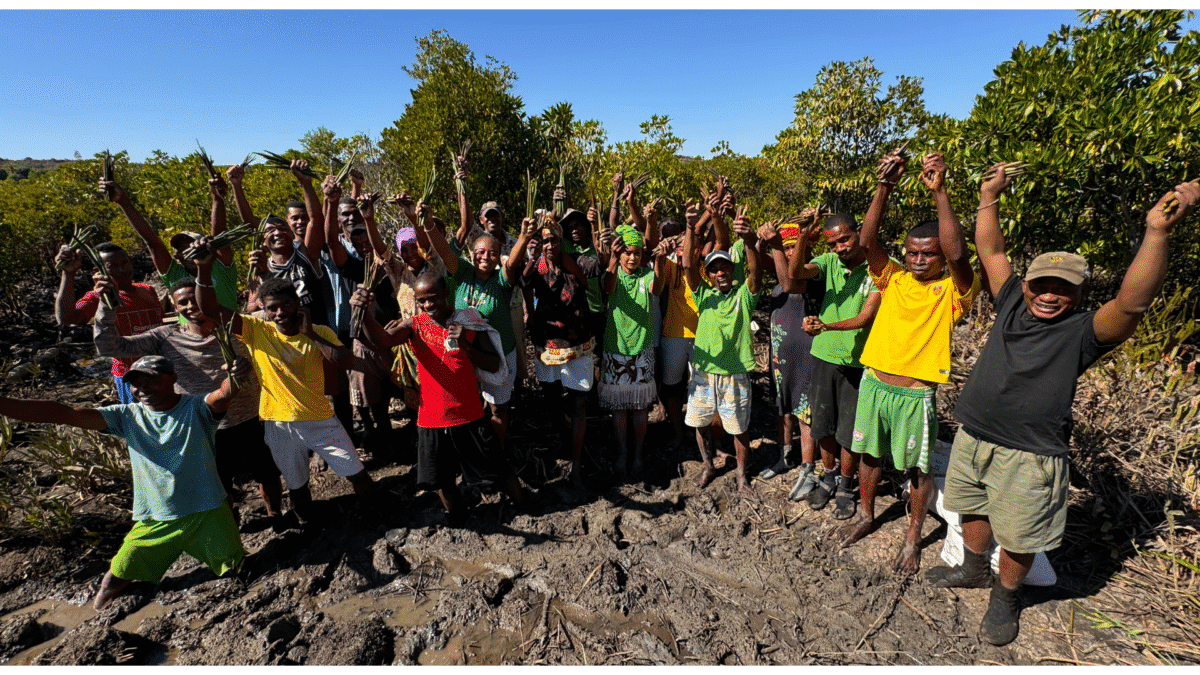
The last 12 years have seen so many significant positive changes both in terms of restoring mangroves and transforming the lives of the people in the communities around Antsanitia. The results are a testament to the power of community-led mangrove reforestation and the immense generosity of donors around the globe.

If you wish to play a part in restoring mangroves, here are 3 specific programs, supported by the process above, which enable tree planting donations to tackle the impacts of extreme poverty today & climate change tomorrow!

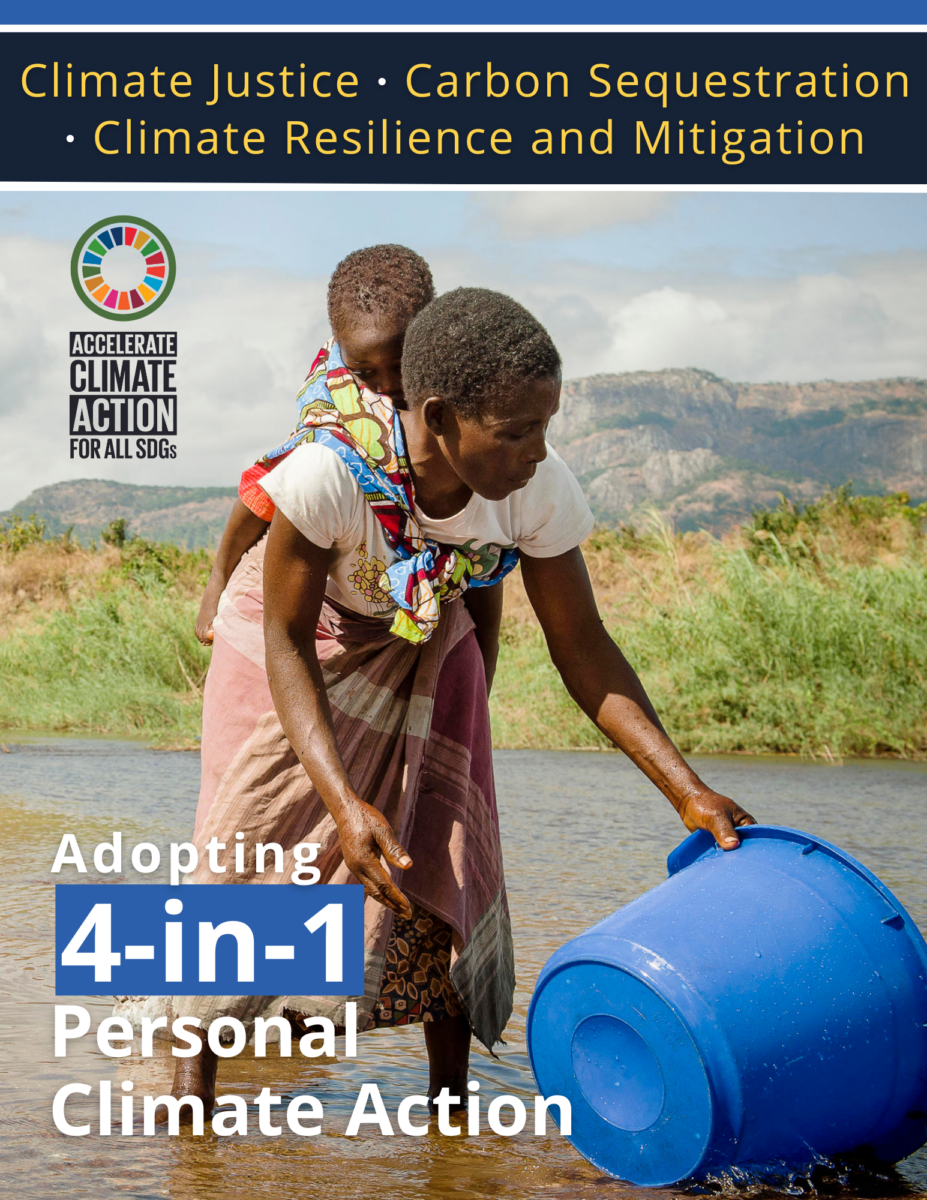
View an Interactive Playbook on how a Climate Change Donation Creates 4-in-1 Climate Action

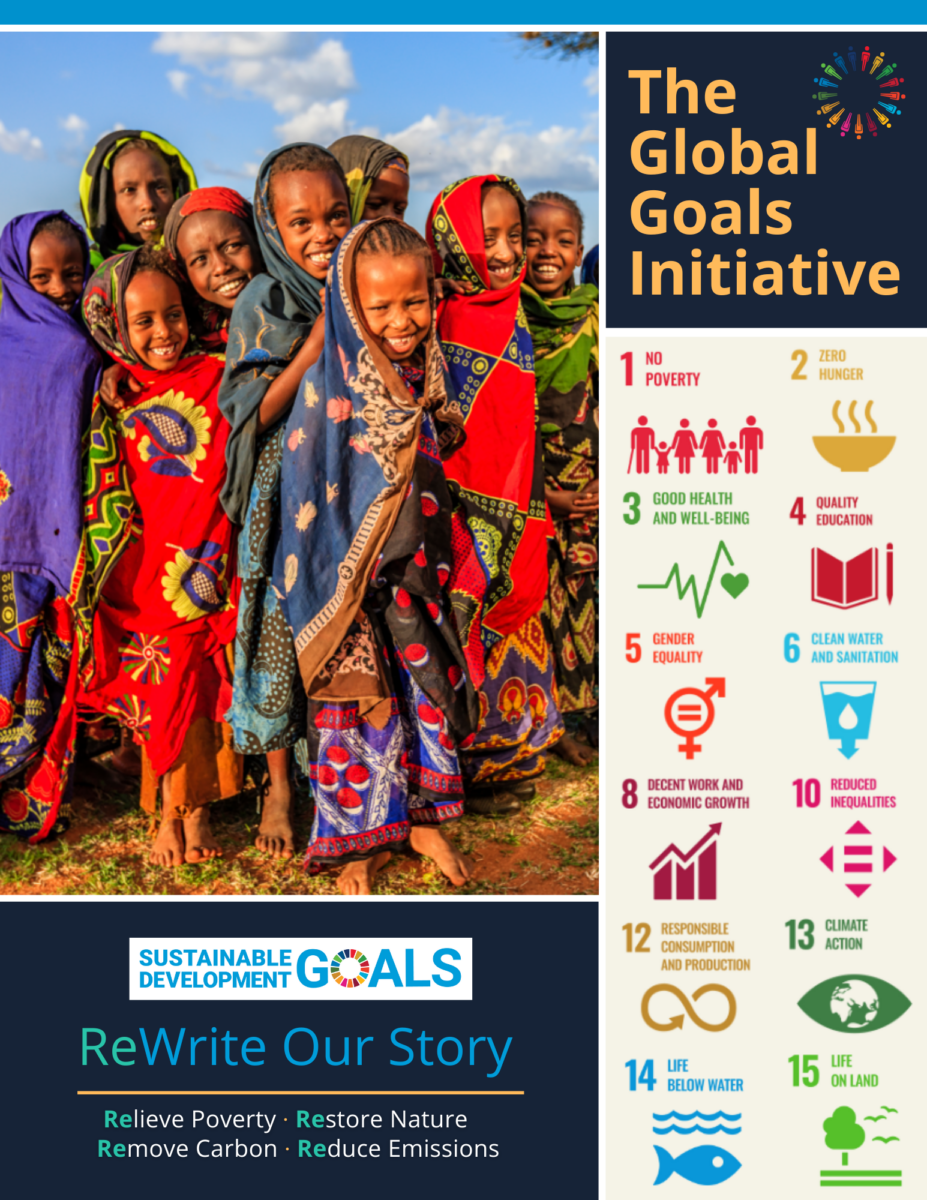
See an Interactive Impact Report on How You Can Impact 12 of the World’s 2030 Global Goals


Explore an Interactive Version of “The Climate Positive Carbon Footprint Offset Program”