Recruit & Restore Projects in Action
Community-based charity programs that target extreme poverty & improved livelihoods
Create Work & Income
Reverse Extreme Poverty
address Food insecurity
Support Better Health

Holistic solutions through Recruit & Restore extreme poverty charity programs
Extreme poverty affects hundreds of millions of people worldwide, limiting access to basic needs like food, education, healthcare, and stable income. At Purpose on the Planet, our extreme poverty charity programs in Madagascar and Tanzania address poverty at its roots by combining environmental restoration with community leadership and sustainable livelihoods.
Unlike short-term aid, our poverty charity programs focus on long-term solutions—creating jobs, protecting ecosystems, and empowering local communities to lead lasting change. These integrated charity programs reduce poverty while strengthening both people and the planet.
Theme of World Humanitarian Day 2025: Strengthening global solidarity & empowering local communities
Africa has one-fifth of the planet’s remaining forests but is losing them faster than anywhere else. Better protection and restoration of these forest landscapes could reduce or remove 1 billion tonnes of CO2 annually while helping hundreds of thousands of Africans earn a better living.
The 2025 theme for World Humanitarian Day highlighted how critical it is for today’s poverty charity programs to work alongside real-world communities — not as patrons but as partners — with shared commitment to creating a more prosperous future. This wisdom aligns directly with the methodology adopted at the two projects we support in the village of Antsanitia in Madagascar and at The Tuungane Project at Lake Tanganyika in Tanzania.
We have strategically selected our program locations with the goal of optimizing the long-term socioeconomic benefits they can deliver to fragile communities in areas that have been deemed to be of critical environmental importance. In both cases, the underpinning principle common to both projects is a proven “Recruit & Restore” strategy, which — since 2012 — has focused on tree planting, landscape restoration and forest conservation projects as the means of reviving vulnerable communities and providing work and income benefits for their residents.
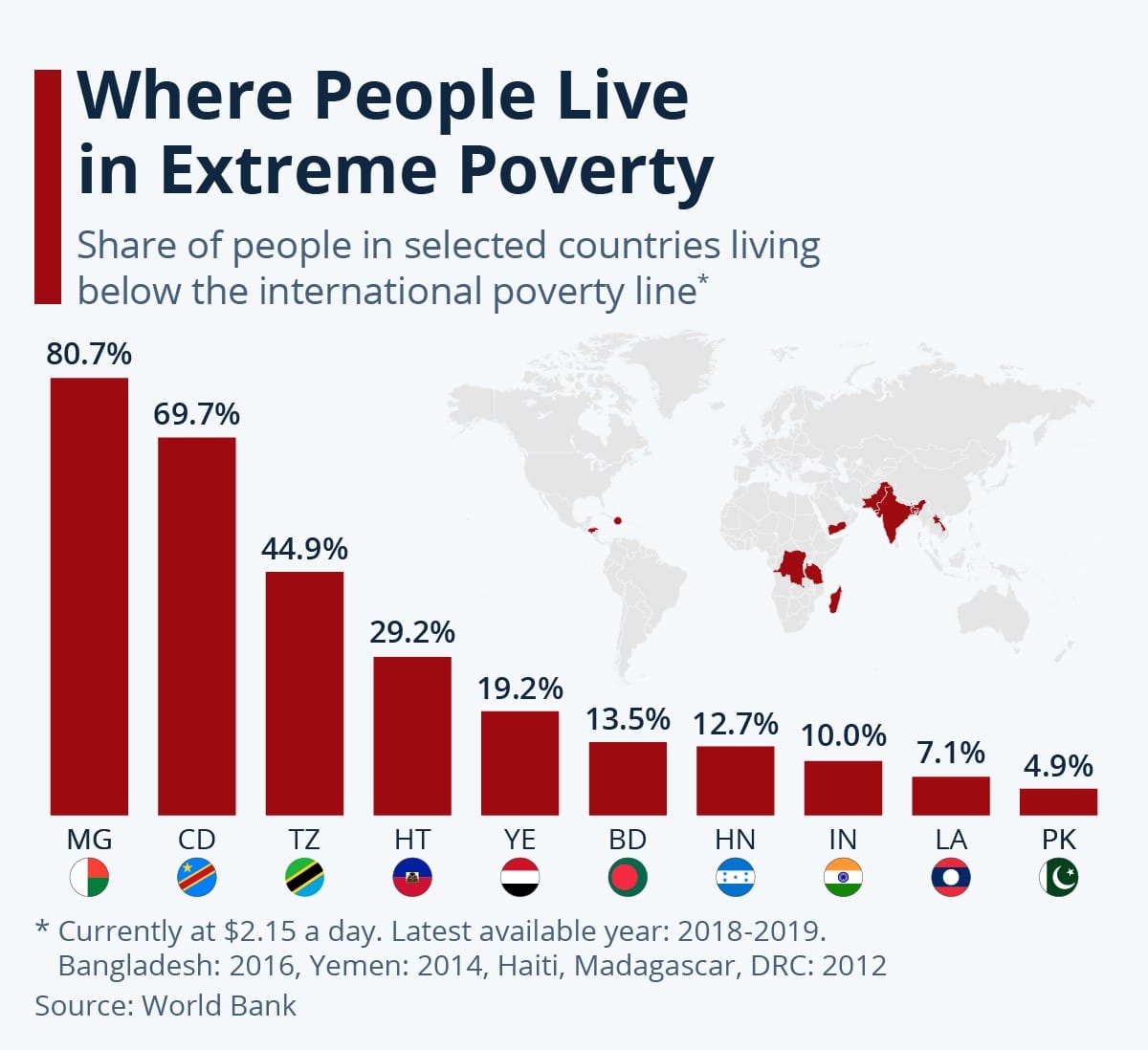
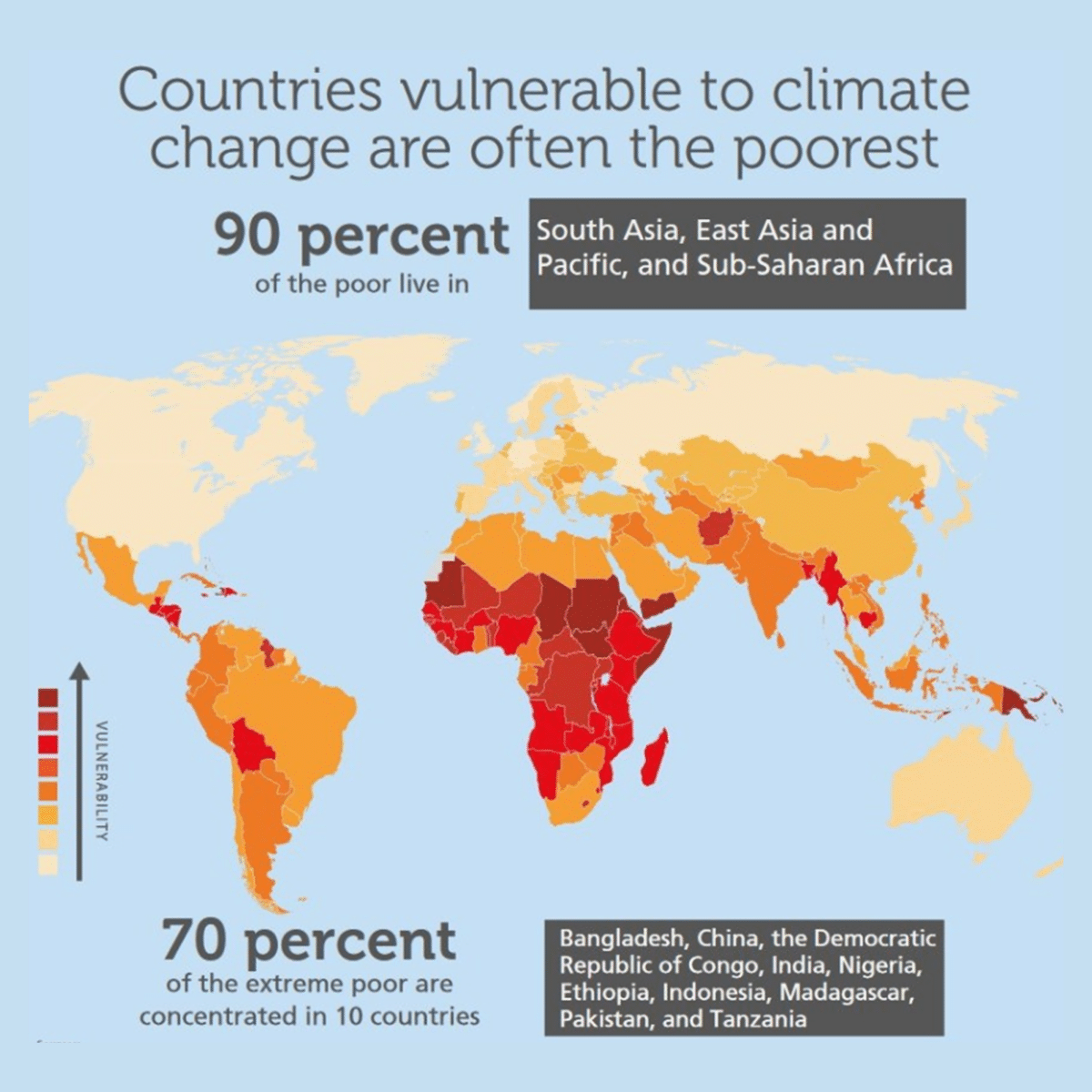
Over 650 million individuals across the globe live in extreme poverty — they survive on under $2.15 per day. This amounts to over 8% of our global population, with 80% of the most impoverished people concentrated in sub-Saharan Africa and South Asia alone.
However, the work on the ground itself takes two different forms as dictated by the unique ecosystems that are being restored in each location. Specifically, in Madagascar, the teams of local villagers collect and sort mangrove propagules, then plant each species at optimal tidal-zone sites. While on the eastern shores of Lake Tanganyika, program participants receive support, training and income for planting ficus seedlings and ensuring their long-term health.

These projects truly matter to these vulnerable regions and families! By creating work and income benefits through forest restoration and long-term conservation, you are helping to lift (or even reverse) the life trajectories of individuals who live in extreme poverty. Just as importantly, our charity programs not only creates immediate income for local community members through restoration and maintenance of the environment, they also lay the foundations for diverse and sustainable livelihood options for the long-term future!
Innovative & sustainable strategies for tackling extreme poverty
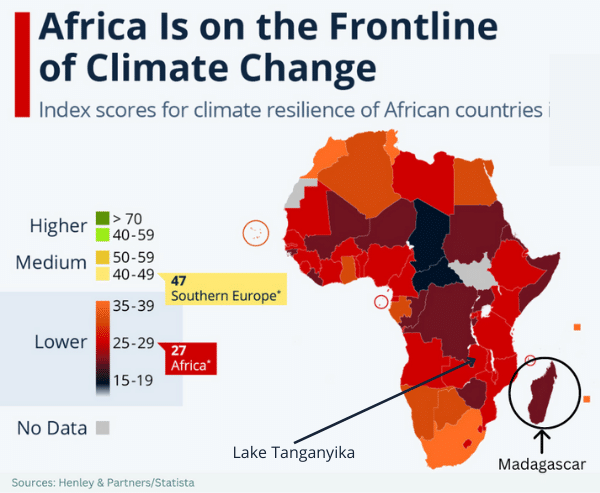
Both Madagascar and Tanzania fall within the world’s top 3 countries where extreme poverty has the most devastating impact. Together, you and we are helping improve the livelihoods of these two vulnerable communities by providing work and increased household income through tree planting and forest conservation … And that’s only the beginning of the good news for them!
On top of helping locals meet immediate food and healthcare needs, the household income boost from our forestry projects provides important ancillary benefits for local families. Recent employee surveys from Madagascar report positive changes in families’ access to schools, resources to pay off debts, and even the ability to start micro-enterprises.
Our objective of sustainable self-sufficiency for underserved communities can only be made possible through development and implementation of truly holistic, innovative solutions. — And it’s starting to happen!
Under the stewardship of The Nature Conservancy (TNC), The Tuungane Project has created the foundation for carbon enterprises that pay villages for protecting their forests. In fact, TNC is now working to replicate this carbon enterprise model that is already generating benefits for 8 villages in Western Tanzania. If requisite verification phases can be successfully completed, then this same process could be used by the local people and tree-planting associations that we support together. They would be able to earn sustainable incomes through carbon credits granted for protecting their trees! The very same trees you are helping them to plant today.
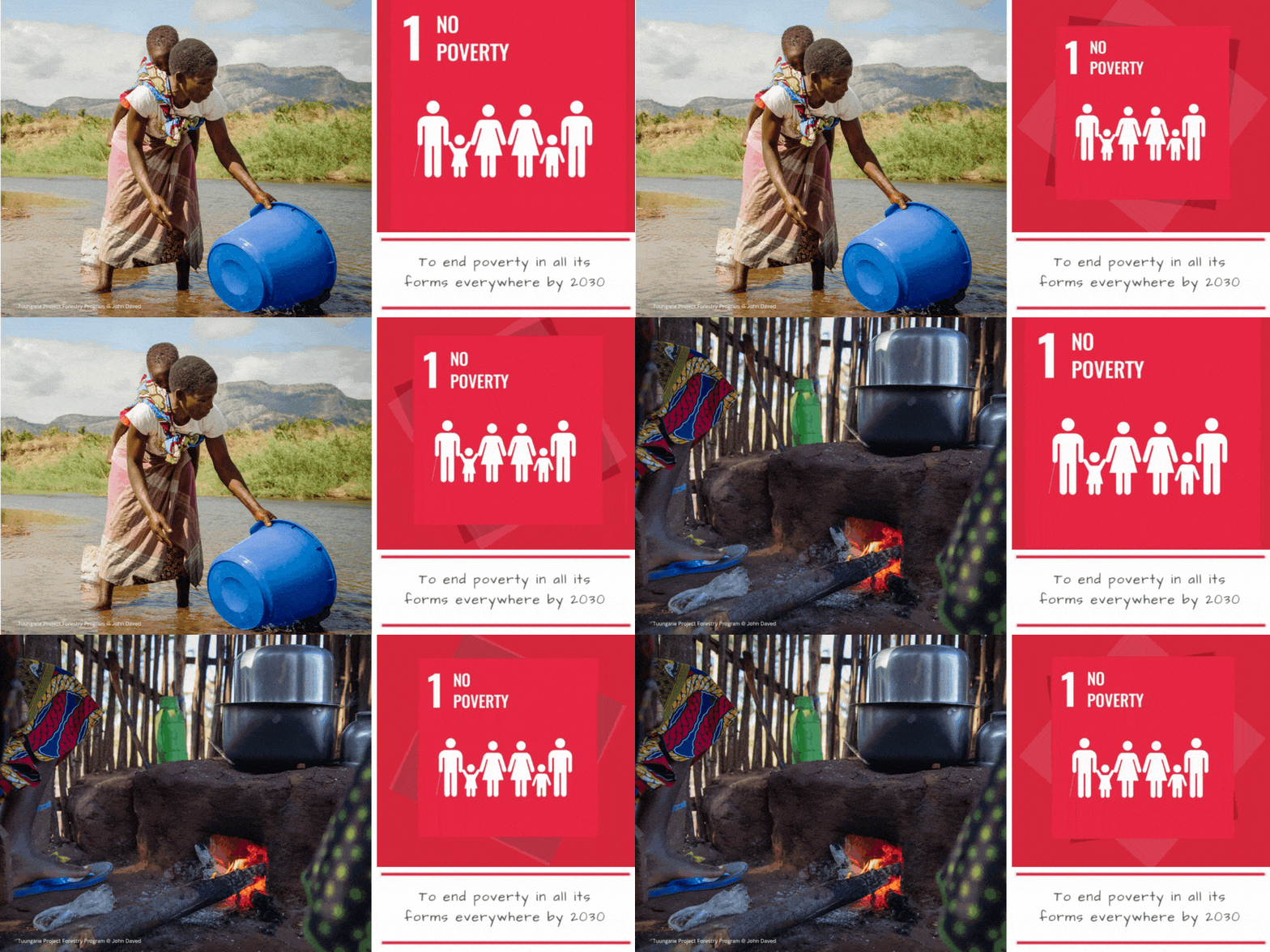
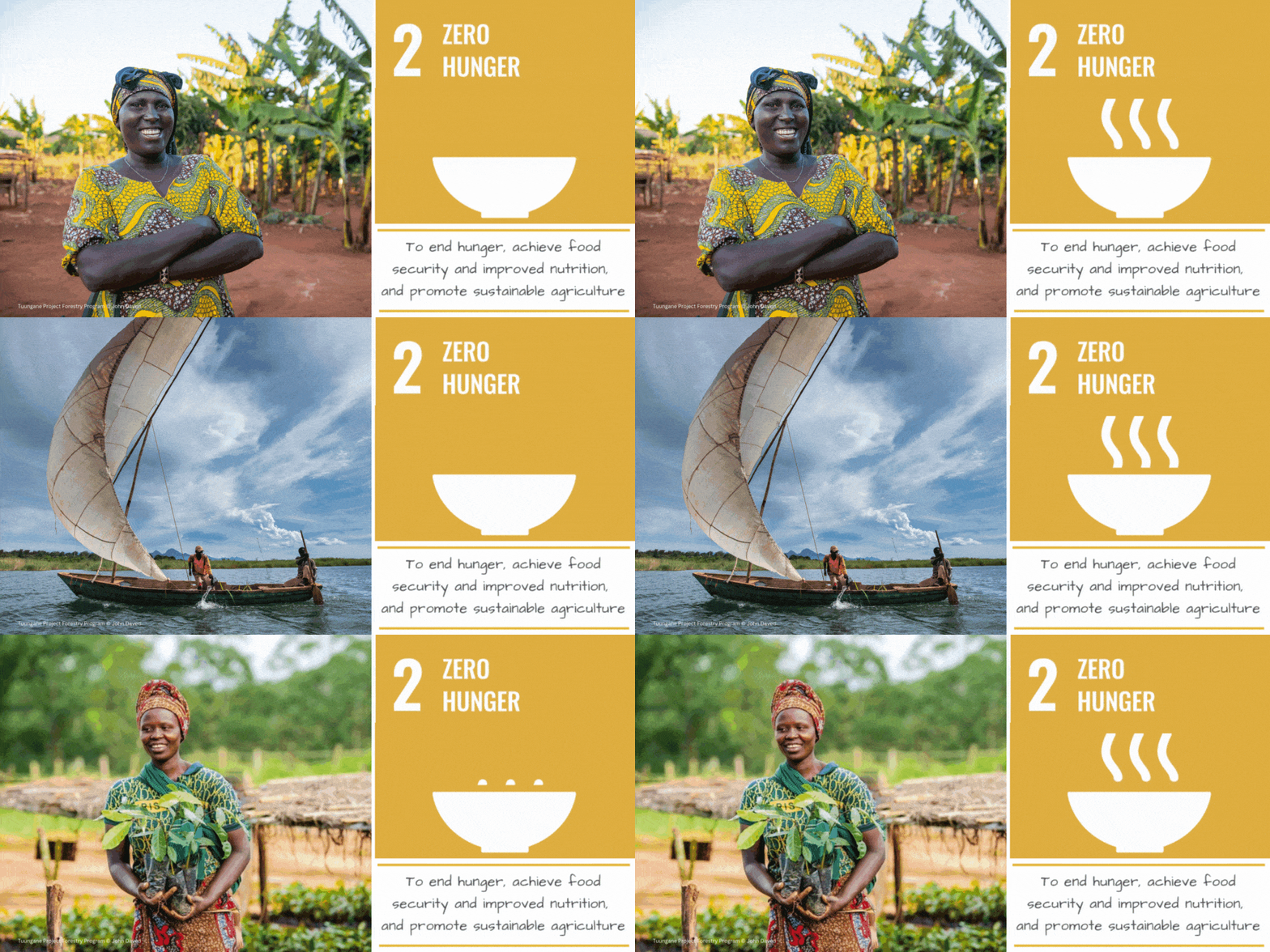
Recruit & Restore projects very directly impact food insecurity
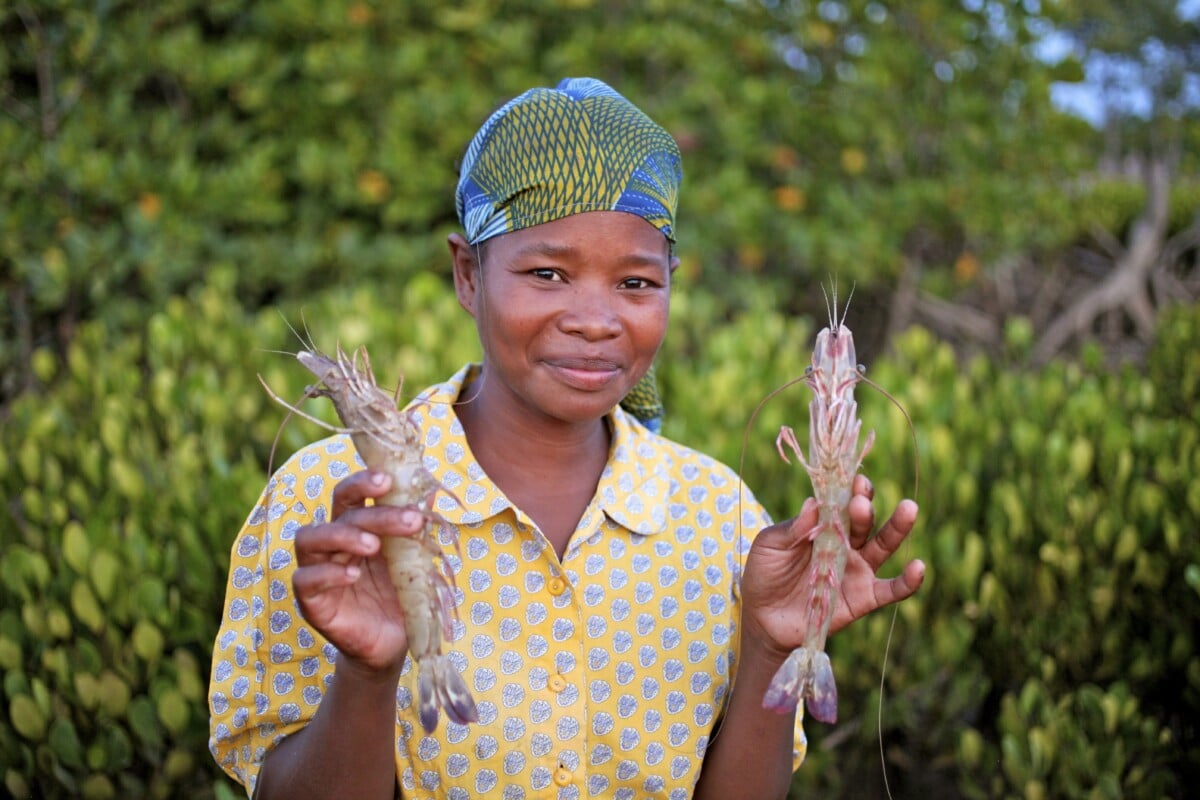
A reliable living wage directly impacts a family’s ability to meet essential food needs. As an example, Antsanitia is a fishing village that has historically relied on healthy mangrove and ocean ecosystems for food and income, with crabs serving as the main local catch. The crabs’ habitat, however, is dependent on mangrove forests, and with deforestation and land degradation, their populations have steadily declined in recent years. This loss presents an immediate vulnerability for these local families. Good things are happening, though: Your support is now actively reversing this trend, through the mangrove restoration work at the heart of our programs.
On the shores of Lake Tanganyika in Tanzania, on top of direct income benefits, you’re also supporting food security for families through the program’s adoption of agroforestry — the planting of trees on farms. For example, in communities close to the shore, where there is a shortage of arable land, the program’s core tree-planting strategy has been supplemented with additional planting of fruit trees close to homes.
Because of this, eating fruit is no longer a luxury for the community, since it’s now readily available nearby. This delivers a well-being bonus that entire families can enjoy! There’s even an opportunity to sell any surplus and use this additional income for other pressing family necessities.
Protecting long-term well-being through Recruit & Restore programs
Together, we’re providing an empowering kind of aid to the local communities for whom both livelihood and well-being depend on the freshwater ecosystems of northwestern Madagascar and Lake Tanganyika! This aid not only raises their baseline financial reserves, but in so doing, it opens new possibilities to meet underserved but important family needs.
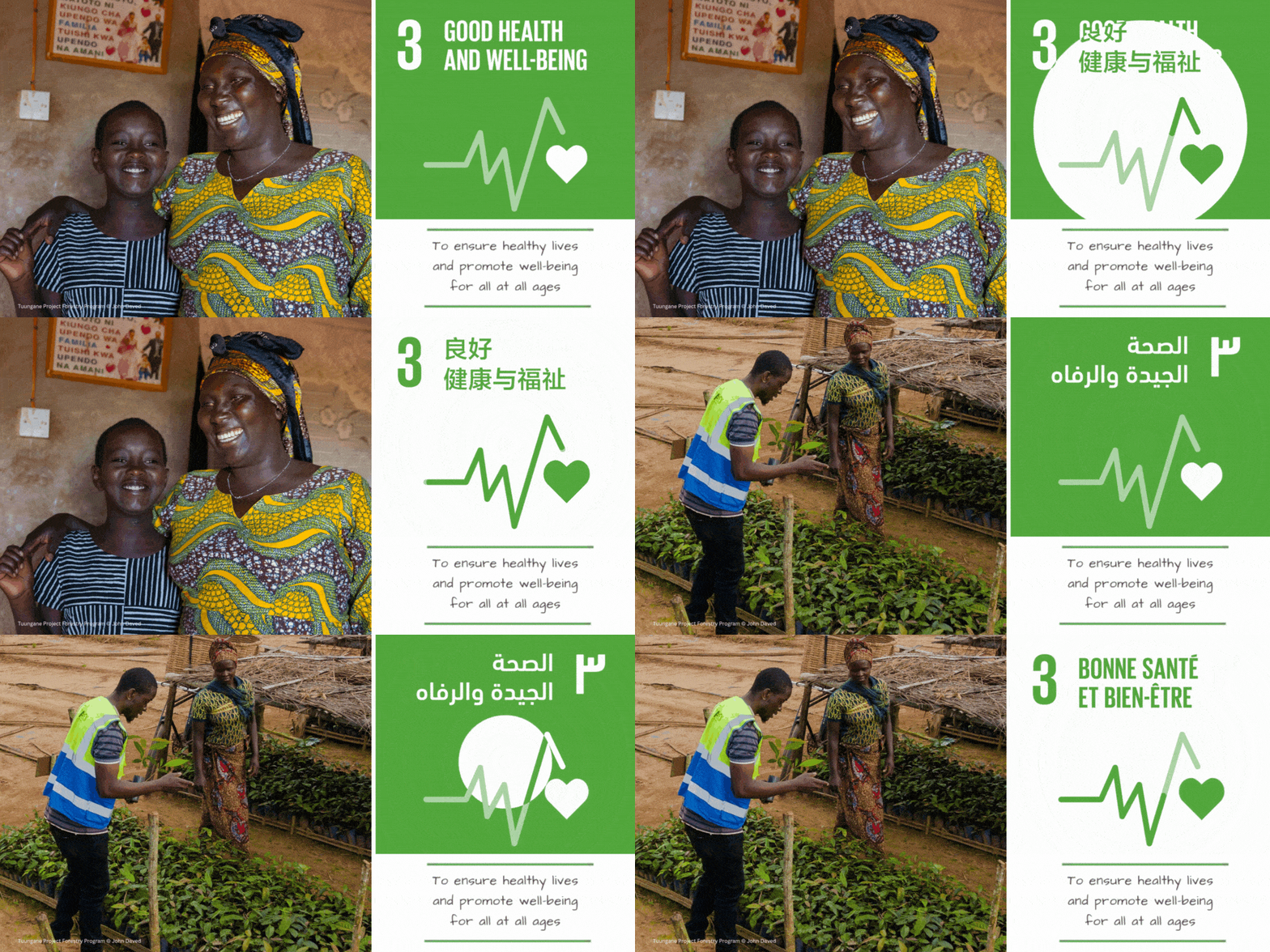
Specifically, better access to healthcare in rural communities can deliver a range of positive outcomes such as: earlier detection of birth complications; access to mosquito nets; life-saving drugs for malaria prevention and treatment.
Just as important, restoring the forests and landscapes re-creates vital habitats for marine life and protects vulnerable coastal communities from the increasing frequency and intensity of climate-related weather and flooding events. As you can see in the adjoining chart, this is particularly relevant as both Madagascar and Tanzania are also among the countries that are most vulnerable to climate change.
The last decade has brought many significant positive changes for both the forests and the lives of the communities of extreme poverty that we support in Antsanitia and on the shores of Lake Tanganyika. The results are a testament to your generosity, and to the power of community-led “Recruit & Restore” charity programs.
Frequently Asked Questions About Extreme Poverty Charity Programs
What is extreme poverty?
Extreme poverty is defined as living on less than the international poverty line ($2.15 on Jan 1st, 2026) per day, which limits access to basic necessities such as food, clean water, healthcare, education, and safe housing. People living in extreme poverty often face systemic barriers that make long-term economic stability difficult without targeted support.
What are extreme poverty charity programs?
Extreme poverty charity programs are initiatives designed to help individuals and communities meet basic needs while building long-term pathways out of poverty. Effective programs go beyond short-term aid by supporting sustainable livelihoods, education, environmental protection, and local leadership.
How do your poverty charity programs reduce extreme poverty?
Poverty charity programs reduce extreme poverty by addressing its root causes. This includes creating income opportunities, restoring natural resources, strengthening community governance, and supporting education and skills training. When combined, these approaches help communities become more resilient and self-sustaining.
What makes Purpose on the Planet’s charity programs different?
Purpose on the Planet’s charity programs integrate poverty reduction with environmental restoration. By creating jobs through conservation work—such as forest protection and ecosystem restoration—our programs address extreme poverty while protecting the natural systems communities depend on for survival.
Why is extreme poverty such a driver of deforestation?
Extreme poverty drives parents to deforest local forests for income, which accelerates environmental degradation and hampers efforts to preserve natural resources, making community-led initiatives essential for sustainable conservation.
How can I support extreme poverty charity programs?
You can support extreme poverty charity programs by donating, sharing our work, or learning more about how long-term, community-led solutions create lasting impact. Supporting effective poverty charities helps break cycles of poverty while strengthening ecosystems and livelihoods.
Three Different Ways to Tackle Extreme Poverty Through Recruit & Restore Charity Programs
Create Work & Income by Restoring Nature
Give monthly & we’ll plant 60 extra trees
Impacts start at $10
Support 12 of the UN’s 2030 Global Goals
We share monthly insights on your impact
Impacts Start at $20
Be Climate Positive by Removing CO2
Economically offset your CO2 footprint
Only $20/month
DAF Donations: Learn More About Using Donor-Advised Funds to Make a DAF Donation or Nonprofit Grant in Four Simple Clicks
pRIVACY and SECURITY
Top 1% in Transparency
Our founders cover 100% of our general operating expenses with a very specific purpose: This means our donors confidently trust that 100% of every donation they make goes directly toward the environment and the positive humanitarian outcomes that our nonprofit programs have been created to deliver.
The Platinum Seal of Transparency is a rating that puts Purpose on the Planet in the top 1% of charities nationally in terms of transparency. It means that we have shared clear information with the public about our goals, strategies, capabilities, achievements and progress indicators for our nonprofit programs.
Measurable Deliverables
Our program is structured around tangible and measurable result requirements that are rigorously maintained for every donor dollar received. Likewise, all of our donors are updated on the collective, documented progress toward stated program goals via our annual Nonprofit Programs Impact Report.
To better understand the challenges our work addresses, as well as the benefits delivered on the ground by our nonprofit programs, donors can expect to receive continuous insights and tips into the tangible (and “do-able”) ways they can contribute to more effectively ensure a prosperous future.