A Unique Voyage Gives Birth to a Fresh “Circular Economy” Mindset
In 2005, Ellen MacArthur set a speed record for her solo sail around the world. By circling the globe – and carrying all necessary belongings on board – she gained a unique appreciation for surviving on finite resources and how decisions today decide what resources will exist tomorrow!
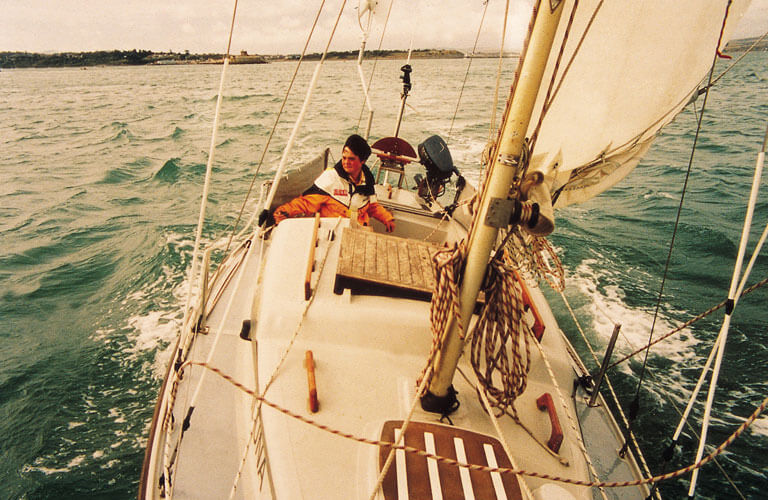
“No experience in my life could have given me a better understanding of the word finite.”
Ellen MacArthur
Her 71 days alone at sea provided her with a pivotal epiphany. Since the boat was her sole resource, she had to depend entirely for survival on the limited food, fuel, and supplies she’d brought along. So it is with our world, she realized: Our global survival relies completely on the finite resources we extract, use and then dispose of – that is, our current linear “Take, Make, Waste” consumption process. She ALSO came to realize this process is fundamentally flawed!
Accelerating the Transition to the Circular Economy
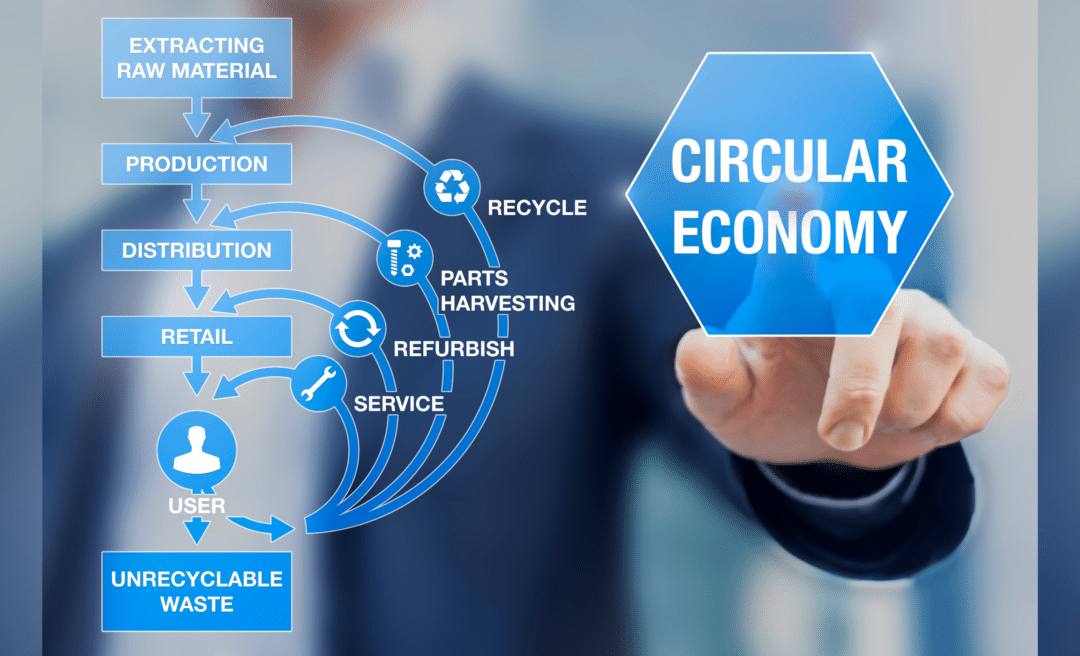
What would a successful economy that uses things—rather uses them UP—look like? After consulting with business leaders, engineers and other experts, she learned that we would have to transform our extractive, throwaway economic model to that of a circular economy: A consumption model built to keep materials in use, eliminate waste, and regenerate natural systems. In 2010, she set up the Ellen MacArthur Foundation with the goal of accelerating this critical transformation.
Adopting Nature’s Principles
Simply put, the 3 circular economy principles offer a holistic plan for a achieving a sustainable world. This engaging video reveals how it departs from our “linear” approach to resource usage and availability. See how nature already models the core circular economy methodology we need to adopt!
The Circular Mindset in 3 Basic Concepts
1. Design Out Waste and Pollution
2. Keep Products/Materials in Use
3. Regenerate Natural Systems
Tackling the Full Picture of Climate Change
Circularity also provides a practical solution to climate change. The move to renewable energy is vital if we are to tackle global warming. Yet, our existing technologies only address 55% of the emissions that produce climate change: i.e. emissions from electricity and heat; our energy system more broadly; and transport. To tackle the remaining 45% of emissions— i.e. from industry, agriculture, and land use—we
would need to concurrently address a similar transition process.
Three Examples of Circular Economy Innovation in Action
Ultimately, a Circular Mindset calls for fresh thinking and innovative solutions to lower emissions from all sectors of society – governments, businesses, organizations, public authorities, families and individuals. Here are 3 current examples of how various bodies are doing their part to embrace circular principles.
Circular City: Peterborough, UK
The Circular Peterborough program aims to apply circular economy principles at the city level. The program is about making the most of local resources, supporting economic resilience, developing community strength, and increasing environmental sustainability. Their stated goal is bold and ambitious: Peterborough aims to be operating as a truly circular city by 2050.
Circular Entertainment: Coldplay
On this year’s world tour, Coldplay will use energy from dancing fans to power their concerts! Listen to their music on this video to appreciate how their innovative thinking is making a practical contribution to a circular future.
Circular Business: IKEA
In one of the first major corporate initiatives to create a circular business, IKEA has committed to achieving the following by 2030:
– Enabling customers to obtain, care for, and pass on products in circular ways
– Producing products that are of 100% “circular derivation” (raw materials – recycled – remanufactured – refurbished – reused)
– Using only renewable and recycled materials
Circular Economy “Inspioneers”
The Circular Mindset is rooted in an optimistic belief that the challenges of our time provide us with immense opportunities. It offers a practical philosophy that promises to deliver a more resilient economy and a more sustainable future.
Reflect on the words of another “Inspioneer” and modern-day global explorer, Bertrand Piccard. In 2016 he completed the first round-the-world solar flight, powered only by the sun, with no fuel or polluting emissions:
“Solutions exist that are logical more than just ecological, that can create jobs and generate profit while also reducing polluting emissions and preserving natural resources.”
He also held strong beliefs on the importance of “mindset”:
“Exploration is a state of mind. If we want to innovate and achieve impossible goals, we have to understand that the only obstacle to success is our mindset. It’s the accumulation of beliefs and habits that keep us prisoner of old ways of thinking.”
Bertrand Piccard
A global effort is required to raise awareness and encourage proactive measures to create a more sustainable future for current and future generations…Here are 3 “Options for Action” you could personally consider to play your own part today!
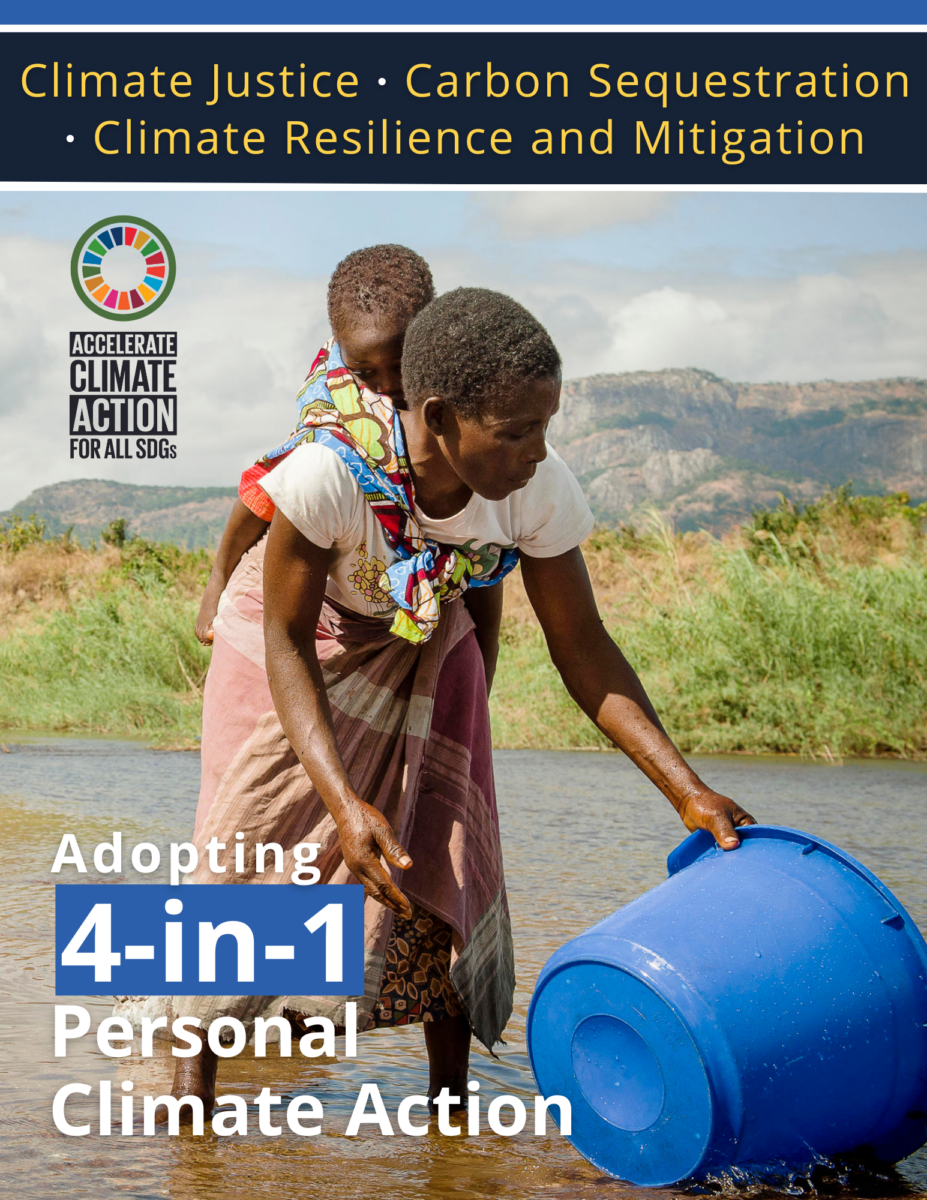
View an Interactive Playbook on How a Climate Change Donation Creates 4-in-1 Climate Action
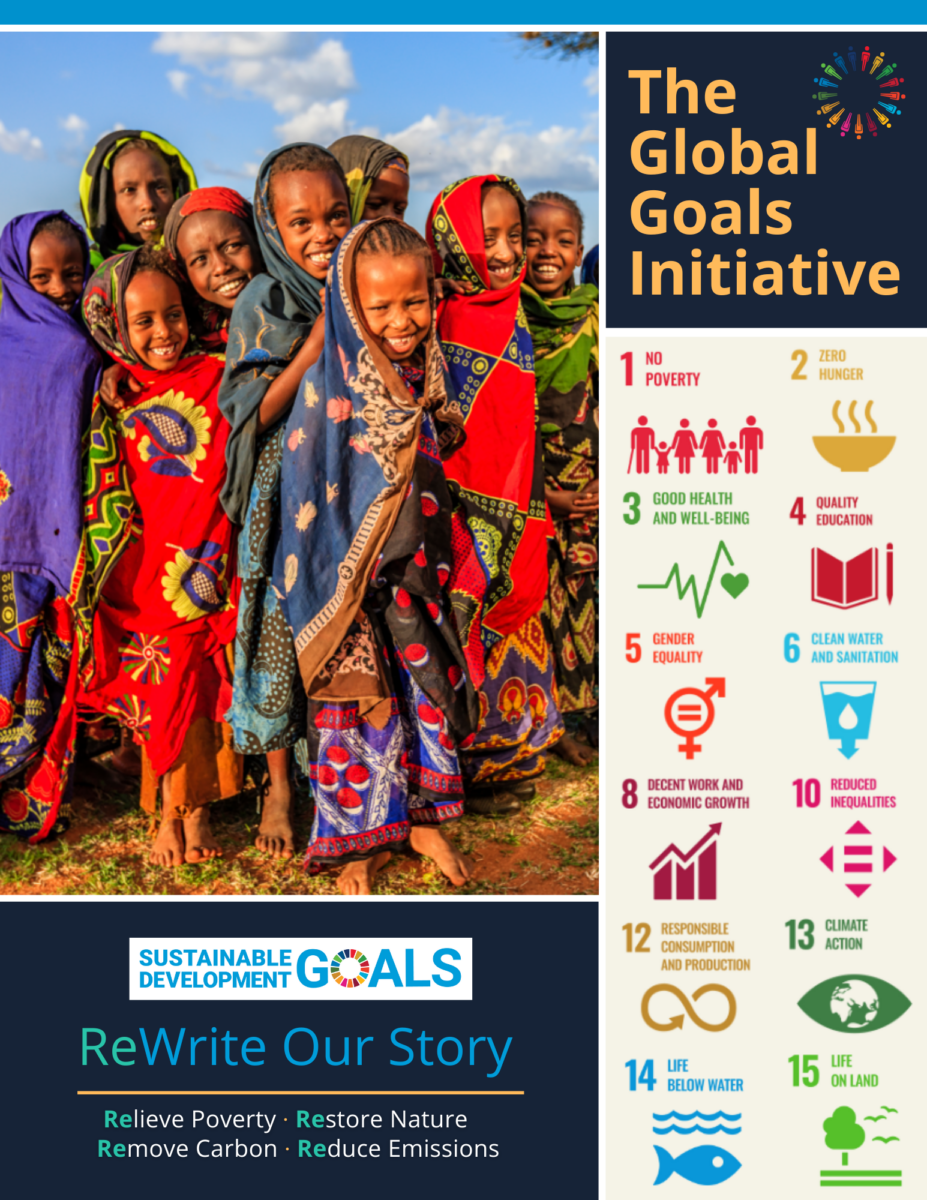
See an Interactive Playbook on How You Can Impact 12 of the Sustainable Development Goals

Explore an Interactive Version of “The Climate Positive Carbon Footprint Offset Program”