
The Day for Humanitarian Organizations & Humanitarian Charity Workers!
It’s a Love of Humanity! Follow in Plato’s Footsteps…
“Philanthropy” is a word handed down to us from ages past by the Greeks. It translates best into “love of humanity,” and indicates that the altruistic desire to improve human welfare was already evident in Ancient Greece.
For example, in 387 BC, the philosopher Plato founded an educational academy and later arranged his estate to ensure that it would continue after he died. It was a meaningful gift that allowed faculty and students to enjoy “the world’s first university” for the next 400 years — and beyond!
2000 years later — although the positive actions we take as individuals may not rise to the scope of Plato’s endowment — the sense of fulfillment we feel when we engage in any form of environmental or humanitarian charity is still rooted in the exact same “love of humanity”.
“Good actions give strength to ourselves and inspire good actions in others.”
Plato
The Theme of World Humanitarian Day 2025 is:
“Strengthening global solidarity and empowering local communities”
This year’s theme highlights how critical it is for humanitarian organizations to work alongside real-world communities — not as patrons but as partners — with shared commitment to creating a more prosperous future. It also fits perfectly with the methodology we use at each of the two projects you help us support in the village of Antsanitia in Madagascar and at The Tuungane Project at Lake Tanganyika in Tanzania. Namely, the methodology focuses on community-based forest restoration, and it is literally transforming fragile poverty-based subsistence into virtuous cycles of economic and cultural development for these under-served global communities.
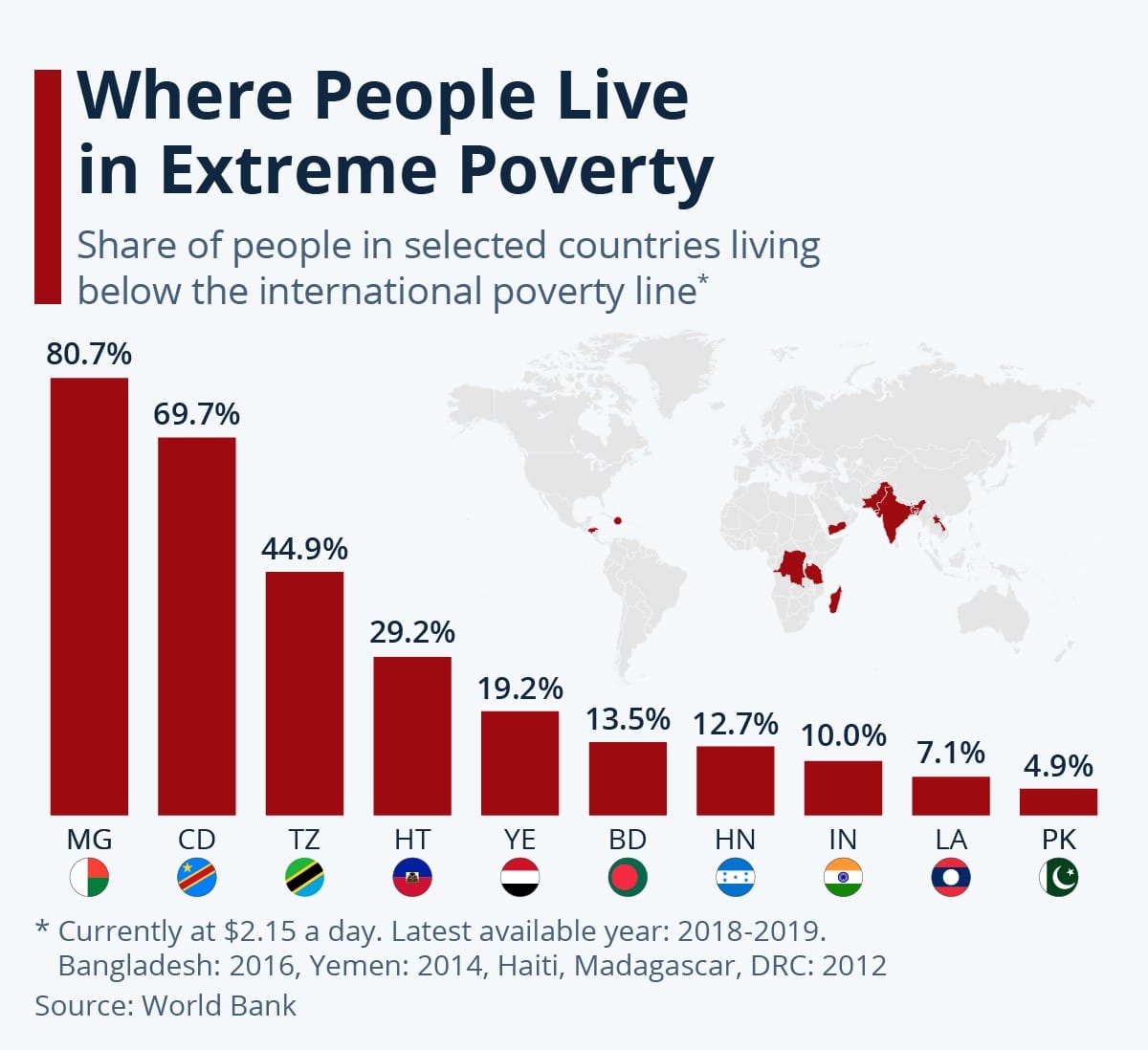
Over 650 million individuals across the globe live in extreme poverty — they survive on under $2.15 per day. This amounts to over 8% of our global population, with 80% of the most impoverished people concentrated in sub-Saharan Africa and South Asia alone.
So, when you support our tree planting and forest conservation programs, you may not necessarily think that you are contributing to humanitarian charity, but you should! Here’s why…
How Community-based “Recruit & Restore” Projects Also Help Tackle Poverty, Hunger, and Good Health!
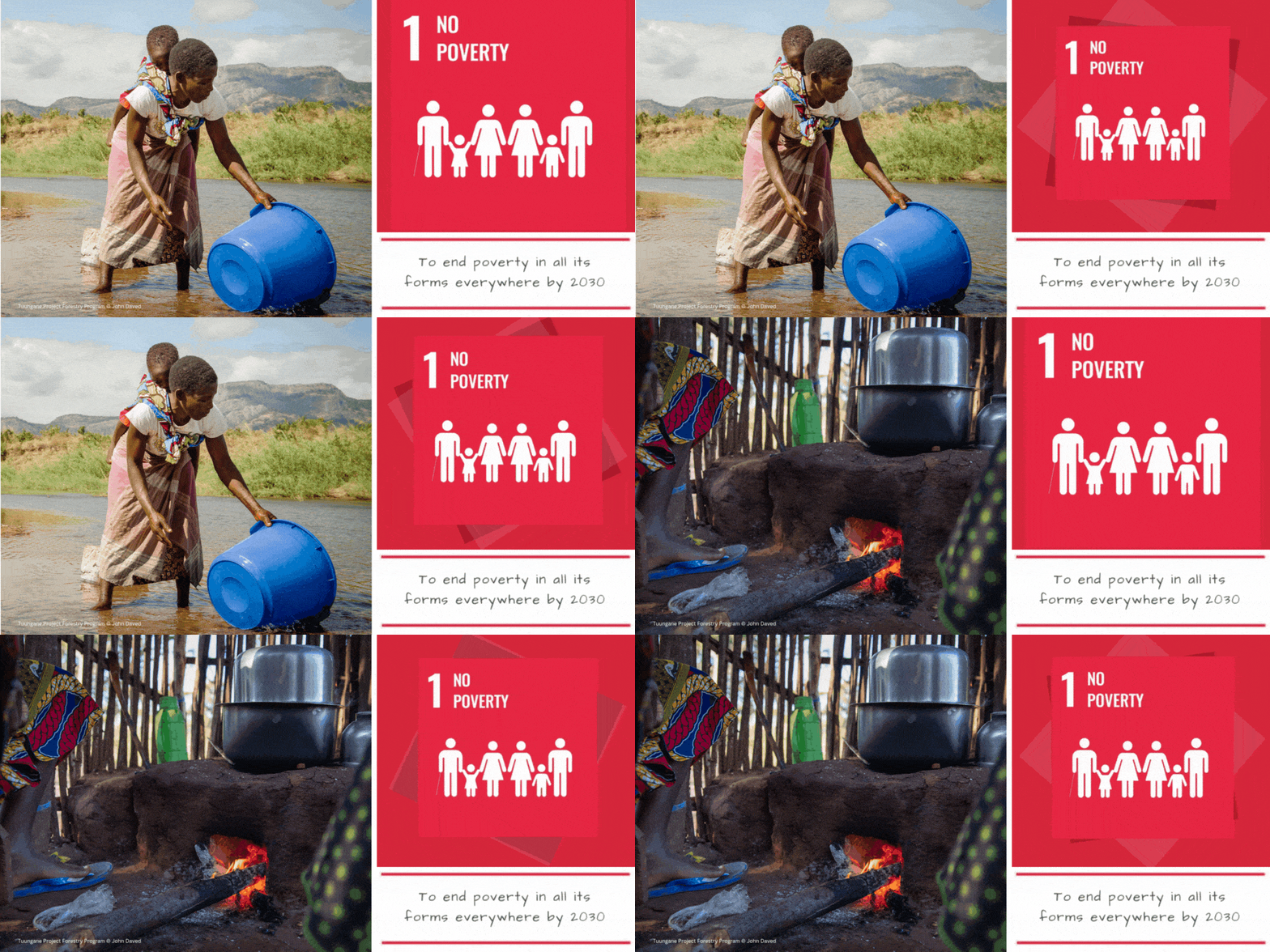
Humanitarian Charity: Reversing Poverty
Both Madagascar and Tanzania fall within the world’s top 3 countries where extreme poverty has the most devastating impact. Together, you and we are helping improve the livelihoods of these two vulnerable communities by providing work and increased household income through tree planting and forest conservation … And that’s only the beginning of the good news for them!
On top of helping locals meet immediate food and healthcare needs, the household income boost from our forestry projects provides important ancillary benefits for local families. Recent employee surveys from Madagascar report positive changes in families’ access to schools, resources to pay off debts, and even the ability to start micro-enterprises.
Our objective of sustainable self-sufficiency for underserved communities can only be made possible through development and implementation of truly holistic, innovative solutions. — And it’s starting to happen!
Under the stewardship of The Nature Conservancy (TNC), The Tuungane Project has created the foundation for carbon enterprises that pay villages for protecting their forests. In fact, TNC is now working to replicate this carbon enterprise model that is already generating benefits for 8 villages in Western Tanzania. If requisite verification phases can be successfully completed, then this same process could be used by the local people and tree-planting associations that we support together. They would be able to earn sustainable incomes through carbon credits granted for protecting their trees! The very same trees you are helping them to plant today.
Humanitarian Charity: Reducing Hunger
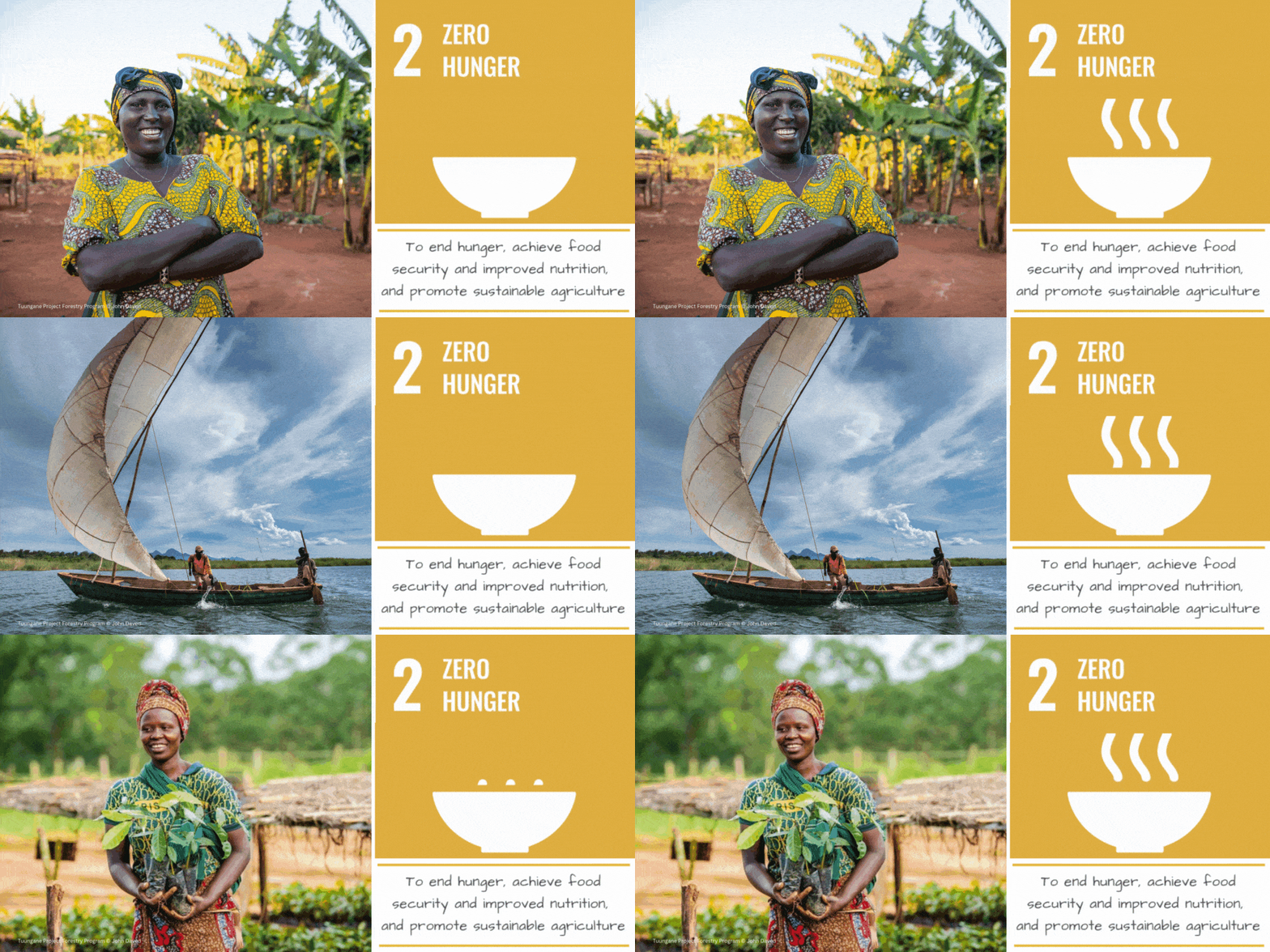
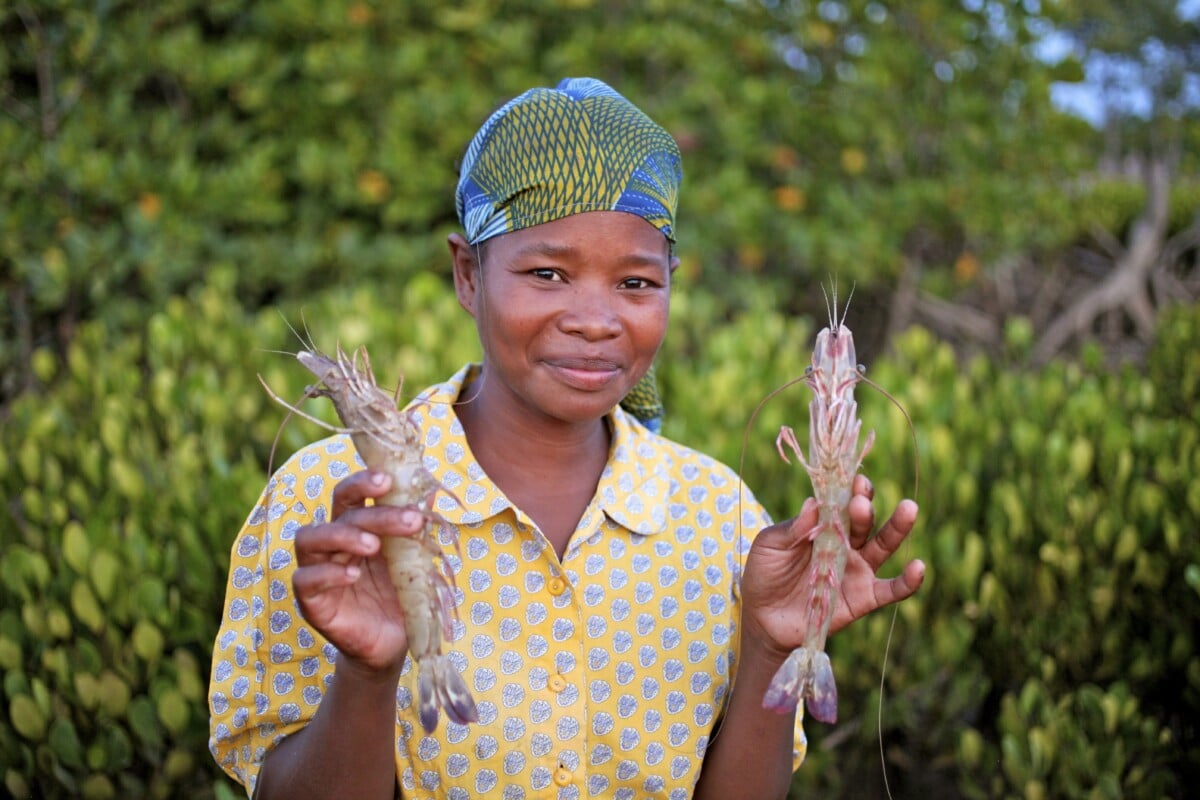
A reliable living wage directly impacts a family’s ability to meet essential food needs. As an example, Antsanitia is a fishing village that has historically relied on healthy mangrove and ocean ecosystems for food and income, with crabs serving as the main local catch. The crabs’ habitat, however, is dependent on mangrove forests, and with deforestation and land degradation, their populations have steadily declined in recent years. This loss presents an immediate vulnerability for these local families. Good things are happening, though: Your support is now actively reversing this trend, through the mangrove restoration work at the heart of our programs.
On the shores of Lake Tanganyika in Tanzania, on top of direct income benefits, you’re also supporting food security for families through the program’s adoption of agroforestry — the planting of trees on farms. For example, in communities close to the shore, where there is a shortage of arable land, the program’s core tree-planting strategy has been supplemented with additional planting of fruit trees close to homes.
Because of this, eating fruit is no longer a luxury for the community, since it’s now readily available nearby. This delivers a well-being bonus that entire families can enjoy! There’s even an opportunity to sell any surplus and use this additional income for other pressing family necessities.
Humanitarian Charity: Ensuring Better Health
Together, we’re providing an empowering kind of aid to the local communities for whom both livelihood and well-being depend on the freshwater ecosystems of northwestern Madagascar and Lake Tanganyika! This aid not only raises their baseline financial reserves, but in so doing, it opens new possibilities to meet underserved but important family needs.
Specifically, better access to healthcare in rural communities can deliver a range of positive outcomes such as: earlier detection of birth complications; access to mosquito nets; life-saving drugs for malaria prevention and treatment.
Just as important, restoring the forests and landscapes re-creates vital habitats for marine life and protects vulnerable coastal communities from the increasing frequency and intensity of climate-related weather and flooding events. As you can see in the adjoining chart, this is particularly relevant as both Madagascar and Tanzania are also among the countries that are most vulnerable to climate change.
The last decade has brought many significant positive changes for both the forests and the lives of the people in the communities we support in Antsanitia and on the shores of Lake Tanganyika. The results are a testament to your generosity, and to the power of community-led “Recruit & Restore” programs.

World Humanitarian Day recognizes the efforts of humanitarian charity workers and aims to raise awareness and support for the causes of all humanitarian organizations. If you would like to start supporting the ReWrite Our Story program, you can do so below:
Purpose on the Planet provides work and income benefits for vulnerable communities in Africa, through tree planting, landscape restoration and long-term conservation programs, in order to mitigate the worst effects of extreme poverty today and climate change tomorrow.
ReWrite Our Story: Reverse Poverty ∙ Restore Nature ∙ Remove Carbon ∙ Reduce Emissions
The ReWrite Our Story program is also one of a very select number of programs run by humanitarian organizations that is listed on the UN website as an Acceleration Action for the 2030 Sustainable Development Goals.
Every $20 donated is used to:
– Create one day of work and income benefits for a community living in extreme poverty.
– Plant and protect 45 trees to remove an estimated 1 metric ton of CO2.
– Empower donors to reduce their own future carbon footprint and develop a low-carbon lifestyle by adopting the latest trends and insights that are provided by our monthly e-newsletter series, Sustainable Solutions.

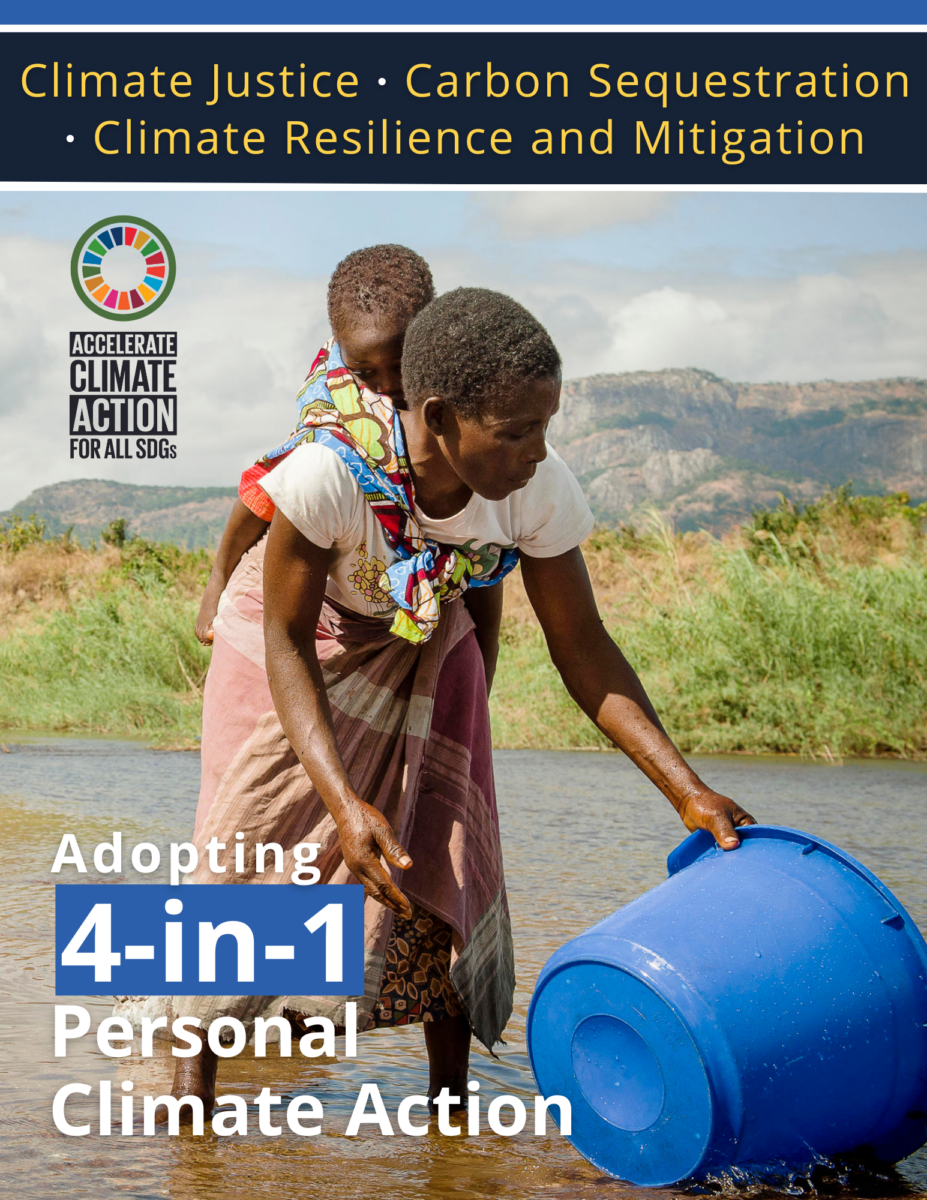
View an Interactive Playbook on how a Climate Change Donation Creates 4-in-1 Climate Action

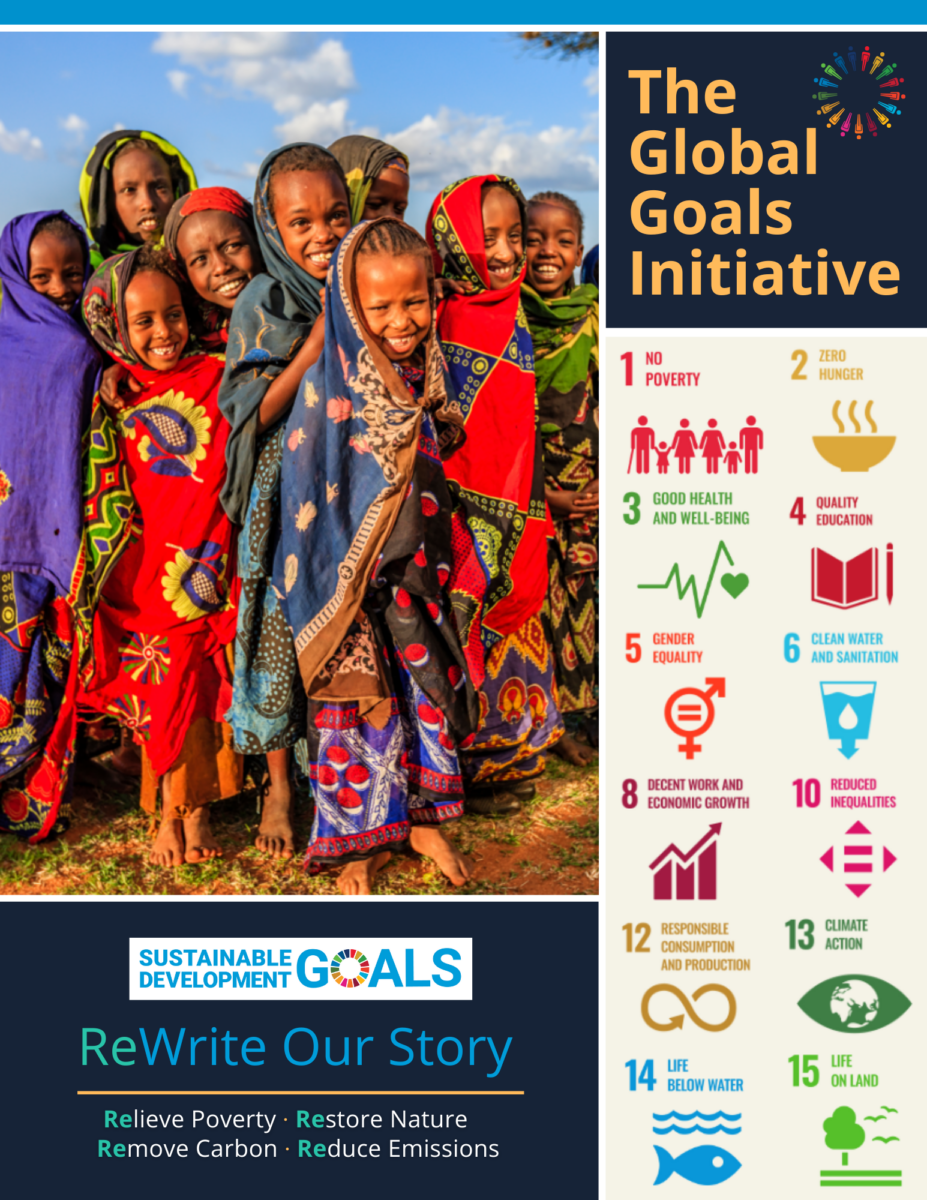
See an Interactive Impact Report on How You Can Impact 12 of the World’s 2030 Global Goals


Explore an Interactive Version of “The Climate Positive Carbon Footprint Offset Program”